
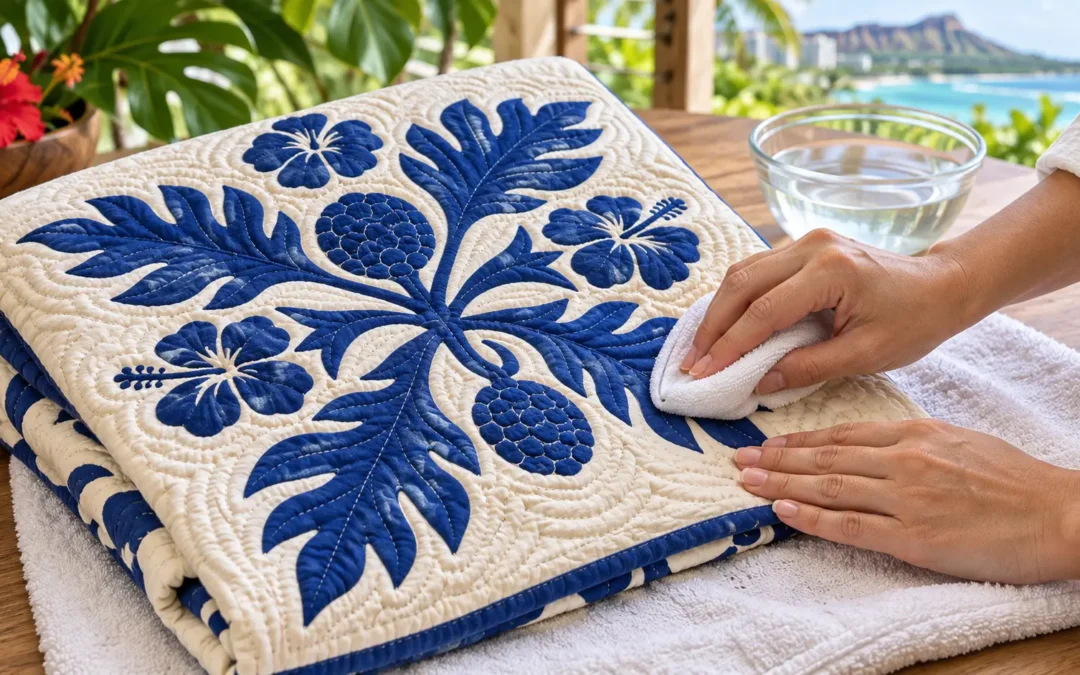
Handmade Hawaiian quilts are treasured for their intricate appliqué designs, beautiful colors, and traditional craftsmanship. Whether displayed as decorative wall hangings or used as comfortable bedspreads, these textiles require thoughtful maintenance to preserve their beauty and durability.
Learning how to wash and care for handmade Hawaiian quilts is essential for protecting delicate stitching, preventing color bleeding, and maintaining fabric quality. Unlike ordinary bedding, hand-quilted pieces may be more vulnerable to aggressive washing methods, harsh detergents, and improper drying.
Fortunately, proper quilt care does not have to be complicated. By following gentle washing techniques, appropriate drying methods, and practical storage recommendations, you can help your Hawaiian quilts remain beautiful for years.
This guide explains everything you need to know about washing, drying, maintaining, and storing handmade Hawaiian quilts.
Why Proper Care Matters for Handmade Hawaiian Quilts
Traditional Hawaiian quilts feature distinctive appliqué patterns inspired by tropical plants, flowers, and island landscapes. Many also incorporate echo quilting, a technique that uses repeated stitching lines to follow the contours of the central design.
These decorative details contribute to the quilt’s appearance but may require special attention during cleaning.
Improper washing can cause several problems, including:
- Color bleeding between contrasting fabrics
- Loose or damaged appliqué stitching
- Fabric shrinkage or distortion
- Uneven quilt batting
- Fading and discoloration
- Excessive wear on delicate materials
Because Hawaiian quilts frequently feature bold contrasting colors, protecting their original appearance is particularly important.
A meticulous approach to cleaning helps preserve both the textile’s appearance and its craftsmanship.
Before washing, always review the manufacturer’s care instructions. Antique, fragile, or valuable heirloom quilts should be assessed by a qualified textile conservator before any wet cleaning.
Washing Instructions for Handmade Hawaiian Quilts
Washing a handmade Hawaiian quilt requires careful preparation and gentle handling.
Not every handmade quilt is suitable for washing. The fabric type, age, condition, dyes, and stitching must be considered before choosing a cleaning method.
The following recommendations apply primarily to sturdy, modern quilts whose care instructions permit washing.
Inspect and Repair Before Washing
Before placing your Hawaiian quilt in water, inspect its entire surface for signs of damage.
Pay particular attention to areas where the appliqué fabric meets the background material.
Look for:
- Loose or broken stitching
- Frayed fabric edges
- Small tears or holes
- Damaged quilt binding
- Weak seams
- Areas where the appliqué is separating
Even minor damage can become more noticeable during washing.
If you discover loose threads or damaged seams, consider having them repaired before cleaning.
Avoid pulling loose threads, as this may cause further damage to the quilt’s construction.
For older quilts or pieces with extensive deterioration, professional textile conservation is preferable to attempting repairs or washing at home.
Regular inspections also help identify potential problems before they affect the quilt’s overall condition.
Test for Colorfastness
One of the most important steps in Hawaiian quilt care is checking whether the fabric colors are stable.
Traditional Hawaiian quilts often feature two contrasting colors, such as red and white, blue and cream, or green and white.
If the dyes are not colorfast, washing may cause darker colors to bleed into lighter sections.
To perform a basic colorfastness test:
- Select a small, inconspicuous area of each fabric color.
- Dampen a clean white cloth with cool water.
- Gently press the cloth against the fabric.
- Check whether any color transfers onto the white cloth.
- Repeat the process for the remaining fabric colors.
If you notice dye transfer, do not proceed with washing.
Consult the manufacturer or a textile care professional for appropriate cleaning recommendations.
Remember that a successful colorfastness test does not guarantee that the entire quilt can be safely washed. Prolonged water exposure may still cause dye movement or fabric distortion.
Use Color Catchers When Appropriate
Color catcher sheets are designed to absorb some loose dyes released during washing.
They may provide an additional precaution when cleaning newer quilts with contrasting colors.
If the quilt’s care instructions permit washing, a color catcher may be included in the wash water according to the product’s directions.
However, color catchers should never replace colorfastness testing.
They cannot guarantee that dyes will remain stable, particularly in handmade quilts containing unknown fabrics or older materials.
For valuable or delicate quilts, professional guidance remains the safer choice.
Hand Wash Preferred for Delicate Handmade Quilts
For sturdy handmade quilts that are confirmed safe for wet cleaning, gentle hand washing is generally preferable to machine washing.
Hand washing provides greater control over movement and reduces the mechanical stress placed on delicate stitching.
How to hand wash a Hawaiian quilt:
- Fill a clean bathtub or large basin with cool water.
- Add a small amount of mild, quilt-safe detergent.
- Gently lower the quilt into the water while supporting its weight.
- Allow the quilt to soak briefly, following its care instructions.
- Lightly press the fabric to help release dirt.
- Avoid rubbing, scrubbing, or vigorously agitating the material.
- Drain the water carefully before rinsing.
Never lift a large, waterlogged quilt by one corner. Wet fabric becomes significantly heavier, increasing the risk of stretching or tearing the stitching.
Use a clean cotton sheet underneath the quilt to provide support when repositioning it.
If the quilt contains delicate fabrics, unstable dyes, or fragile stitching, avoid home washing and seek professional advice.
Machine Washing as an Alternative
Machine washing may be suitable for some modern handmade Hawaiian quilts, but only when the manufacturer explicitly permits it.
The movement and spinning of a washing machine can place stress on hand stitching, seams, and appliqué details.
If machine washing is allowed, follow these precautions:
- Select a gentle or delicate wash cycle.
- Use cool water rather than hot water.
- Choose a mild detergent suitable for quilts.
- Wash the quilt separately from other laundry.
- Avoid heavy agitation and high-speed spinning.
- Ensure the washing machine is large enough to accommodate the quilt without overcrowding.
A large-capacity washing machine without a central agitator may be more suitable for washable quilts than a traditional top-loading machine with aggressive agitation.
Avoid machine washing antique, fragile, or valuable heirloom quilts.
For handmade Hawaiian quilt bedspreads with extensive hand stitching, always prioritize the specific care instructions provided with the product.
Rinse Thoroughly to Remove Detergent
Proper rinsing is essential after washing a Hawaiian quilt.
Detergent residue can remain trapped between the quilt’s fabric layers and batting.
Over time, residue may attract dirt or contribute to fabric discoloration.
When rinsing:
- Use clean, cool water.
- Gently press the quilt to release detergent.
- Replace the rinse water as necessary.
- Continue until the water is free of visible suds.
- Support the quilt carefully throughout the process.
Avoid excessive handling during rinsing.
The goal is to remove cleaning residue without placing unnecessary stress on the quilt’s structure.
Once rinsing is complete, carefully remove excess water before beginning the drying process.
Drying Instructions for Handmade Hawaiian Quilts
Proper drying is just as important as careful washing.
A handmade Hawaiian quilt may contain several layers of fabric and batting, which can retain moisture long after the outer surface feels dry.
Improper drying may lead to stretched fabric, distorted stitching, mildew, or uneven batting.
The safest drying approach for many washable handmade quilts is gentle, supported air drying.
Do Not Wring or Twist the Quilt
Never wring, twist, or aggressively squeeze a handmade Hawaiian quilt to remove excess water.
These actions can place considerable strain on the stitching and fabric.
Potential consequences include:
- Broken quilting threads
- Distorted appliqué patterns
- Stretched fabric
- Damaged seams
- Uneven batting distribution
Instead, allow excess water to drain naturally while the quilt remains supported.
For large bedspreads, use a clean sheet underneath the quilt to help distribute its weight.
Gentle handling is especially important when the quilt is saturated.
Roll in Towels to Absorb Excess Moisture
Clean, absorbent towels can help remove moisture without requiring aggressive squeezing.
This technique is most practical for smaller quilts, pillow covers, and manageable sections of larger textiles.
How to remove excess water using towels:
- Place a clean, dry towel on a flat surface.
- Lay the damp quilt or a manageable section over the towel.
- Add another towel if additional absorption is needed.
- Gently roll the towels and quilt together without twisting.
- Apply light pressure to absorb moisture.
- Unroll carefully and replace saturated towels as necessary.
For large bedspreads, several towels or a larger absorbent surface may be required.
Always support the wet quilt when moving it.
Avoid pulling or dragging the material, as this can place unnecessary pressure on the stitching.
Dry Flat to Maintain the Quilt’s Shape
Drying a handmade Hawaiian quilt flat helps reduce stretching and distortion.
Hanging a wet quilt over a clothesline can place excessive weight on its upper edges, potentially damaging seams and quilting stitches.
Instead, choose a clean, flat surface where the quilt can remain supported while drying.
Recommended drying steps:
- Spread clean, dry towels or a cotton sheet over a suitable surface.
- Carefully position the damp quilt on top.
- Smooth the fabric gently without stretching it.
- Arrange the edges to maintain the quilt’s original shape.
- Allow air to circulate around the textile.
- Replace damp towels or reposition the quilt carefully when necessary.
- Continue drying until all fabric layers are completely dry.
A well-ventilated indoor area is often suitable.
A fan may improve air circulation, provided the airflow does not disturb fragile materials.
Do not fold or store the quilt until it has dried completely.
Avoid Direct Sunlight and Excessive Heat
Although sunlight can help dry ordinary laundry, prolonged direct sunlight may damage delicate quilt fabrics.
Ultraviolet exposure can cause colors to fade and may weaken textile fibers over time.
For Hawaiian quilts featuring contrasting fabrics and detailed appliqué, color preservation is especially important.
Choose a shaded, well-ventilated drying location.
Avoid placing the quilt near:
- Direct midday sunlight
- Radiators or heaters
- High-temperature drying equipment
- Excessively humid environments
Unless the manufacturer’s instructions specifically permit it, avoid tumble drying handmade quilts.
Excessive heat and mechanical movement can affect fabric dimensions, stitching, and batting.
Gentle air drying helps preserve the quilt’s natural appearance and texture.
General Care and Storage for Hawaiian Quilts
Routine maintenance can significantly reduce the need for frequent washing.
A handmade Hawaiian quilt does not necessarily require the same cleaning schedule as ordinary bedding.
Its care should depend on how frequently it is used, where it is displayed, and the condition of its materials.
The following practices can help protect the quilt between cleanings.
Limit Washing to Preserve the Fabric
Frequent washing can gradually place stress on handmade quilt fabrics and stitching.
For decorative quilts and wall hangings, washing may rarely be necessary.
Instead, focus on preventive maintenance.
Helpful practices include:
- Keeping quilts away from food and beverages
- Using protective bedding layers when appropriate
- Removing surface dust gently
- Inspecting quilts regularly for stains or damage
- Airing quilts in shaded, well-ventilated areas
For delicate quilts, carefully removing surface dust with a low-suction vacuum through a protective mesh may be preferable to washing.
However, loose stitching and fragile embellishments require special caution.
The less unnecessary handling a handmade quilt receives, the better its chances of maintaining its original appearance.
Avoid Harsh Chemicals and Strong Detergents
Harsh cleaning products can damage delicate textile fibers and affect fabric colors.
Avoid using bleach, aggressive stain removers, and strong detergents unless specifically recommended for the quilt’s materials.
Products containing powerful whitening agents may cause uneven discoloration, particularly on quilts featuring contrasting colors.
When washing is permitted, choose a mild cleaning product appropriate for the fabric and batting.
Avoid fabric softeners unless the manufacturer recommends them, as they may leave unwanted residue.
For stubborn stains, avoid aggressive scrubbing.
A textile cleaning specialist may be able to recommend a safer treatment method based on the stain and fabric type.
Protecting the textile is generally more important than achieving a perfectly pristine appearance.
Store Hawaiian Quilts Properly
Proper storage protects handmade Hawaiian quilts from dust, moisture, excessive light, and unnecessary fabric stress.
Before storing a quilt, confirm that it is completely clean and dry.
Even small amounts of trapped moisture can contribute to mildew or unpleasant odors.
Recommended Hawaiian quilt storage practices include:
- Store quilts in a cool, dry, well-ventilated environment.
- Use clean cotton sheets or archival-quality textile materials for protection.
- Avoid prolonged contact with untreated wood or acidic cardboard.
- Keep quilts away from direct sunlight.
- Avoid tightly compressed storage.
- Refold stored quilts periodically to reduce permanent creases.
- Consider rolling valuable quilts around suitable archival-quality supports.
Avoid sealing handmade quilts in ordinary plastic bags for extended periods, particularly in humid climates.
When storing quilts in drawers or containers, ensure the materials are suitable for textile preservation.
If folding is necessary, use acid-free tissue paper or clean cotton fabric to cushion the folds.
For heirloom quilts, professional conservation recommendations can help determine the most appropriate storage method.
Display Hawaiian Quilts With Care
Hawaiian quilts are often displayed as decorative wall hangings or bedroom centerpieces.
Although displaying a quilt allows its craftsmanship to be appreciated, long-term exposure to environmental conditions can affect its preservation.
Choose a display location away from direct sunlight, excessive humidity, and sources of heat.
When hanging a quilt, use an appropriate support system that distributes its weight evenly.
Avoid attaching delicate quilts directly to walls with nails, pins, or adhesives.
For bedspreads, rotate the quilt periodically to distribute wear more evenly.
These simple precautions can help preserve the beauty of Hawaiian quilt designs while allowing them to remain part of your home’s décor.
Common Mistakes to Avoid When Cleaning Hawaiian Quilts
Even experienced quilt owners can accidentally damage handmade textiles by treating them like ordinary blankets.
Understanding common mistakes can help prevent unnecessary wear.
Using Hot Water
Hot water may cause certain fabrics to shrink or release dye.
Cool water is generally preferable when washing is permitted, but always follow the manufacturer’s instructions.
Scrubbing Stains Aggressively
Vigorous scrubbing can weaken fabric fibers and loosen appliqué stitching.
Avoid rubbing stained areas repeatedly or applying strong chemical treatments without professional guidance.
Hanging a Wet Quilt
A waterlogged quilt can become extremely heavy.
Hanging it while wet may stretch the fabric and place stress on seams and stitching.
Supported flat drying is generally safer.
Washing Without Checking Fabric Stability
Some dyes may bleed even during gentle washing.
Always assess colorfastness and consider the quilt’s age, fabric type, and construction before introducing water.
Storing Quilts While Damp
Residual moisture can create conditions favorable to mildew.
Allow every layer to dry completely before folding or storing the quilt.
Explore Handmade Hawaiian Quilts at DBI Hawaii
At DBI Hawaii, we appreciate the artistry and craftsmanship that make Hawaiian quilts distinctive.
Our Kenui Quilts collection features hand-appliquéd and hand-quilted designs inspired by Hawaiʻi’s natural landscapes, flowers, and traditional decorative patterns.
From elaborate bedspreads to decorative textile accessories, Hawaiian-style quilts can introduce color, texture, and island-inspired elegance into your home.
Explore our Kenui Quilts Collection to discover available designs and handcrafted textile products.
Hawaiian Quilt Bedspreads
Handmade Hawaiian quilt bedspreads combine decorative patterns with functional comfort.
Their detailed appliqué and echo quilting create distinctive designs suitable for traditional and contemporary bedrooms.
Proper washing and storage can help protect these details and preserve the bedspread’s appearance.
Browse our Kenui Quilts Collection to explore Hawaiian-inspired bedspreads and available patterns.
Hawaiian Quilt Kits and Decorative Accessories
For quilting enthusiasts, Hawaiian quilt kits offer an opportunity to learn more about traditional appliqué techniques.
Decorative accessories, including wall hangings and pillow slips, also allow homeowners to enjoy Hawaiian quilt artistry in different spaces.
Whether used as bedding or displayed as artwork, these textiles deserve careful handling and appropriate maintenance.
Frequently Asked Questions About Hawaiian Quilt Care
Can you wash a handmade Hawaiian quilt in a washing machine?
Some modern handmade Hawaiian quilts can be machine washed if the manufacturer specifically permits it. Use a gentle cycle, cool water, and mild detergent. Antique, fragile, or valuable quilts should not be machine washed, as agitation and spinning may damage the fabric and stitching.
What is the best way to wash a handmade Hawaiian quilt?
For sturdy quilts that are safe for wet cleaning, gentle hand washing with cool water and mild detergent is generally preferable. Test the fabric for colorfastness before washing, avoid aggressive agitation, and support the quilt carefully while wet. Valuable heirloom quilts should be assessed by a textile conservator.
How should you dry a handmade Hawaiian quilt?
Lay the quilt flat on a clean, absorbent surface in a shaded, well-ventilated area. Avoid wringing, twisting, or hanging the quilt while wet. Allow all fabric layers and batting to dry completely before using or storing it.
How often should handmade Hawaiian quilts be washed?
Handmade Hawaiian quilts should be washed only when necessary. Decorative quilts may require occasional dust removal rather than regular washing. Quilts used as bedding may need more frequent attention, depending on their use and the manufacturer’s care instructions.
How do you store handmade Hawaiian quilts for long-term preservation?
Store handmade Hawaiian quilts in a cool, dry environment away from direct sunlight. Protect them with clean cotton fabric or archival-quality materials, avoid tightly compressed storage, and periodically refold them to reduce permanent creases. Ensure quilts are completely dry before storage.
Preserve the Beauty of Your Handmade Hawaiian Quilts
Handmade Hawaiian quilts represent a beautiful combination of artistic expression, traditional craftsmanship, and island-inspired design.
Their intricate appliqué patterns, detailed stitching, and vibrant colors deserve thoughtful care to maintain their appearance over time.
By understanding proper washing instructions, choosing gentle drying techniques, limiting unnecessary cleaning, and following appropriate storage practices, you can help protect these treasured textiles from avoidable damage.
Whether your quilt is a decorative wall hanging, a comfortable bedspread, or a meaningful family heirloom, careful maintenance supports its enduring beauty.
At DBI Hawaii, our Kenui Quilts collection celebrates Hawaiian-style quilting through handcrafted designs inspired by the islands.
Discover our Kenui Quilts Collection and explore beautiful Hawaiian quilt designs that can be enjoyed and cherished for years.